
Group and senior management work closely together in respect of commercial, technical, HSE, financial and legal issues with the aim of delivering responsible growth and long-term shareholder value
Investment Committee
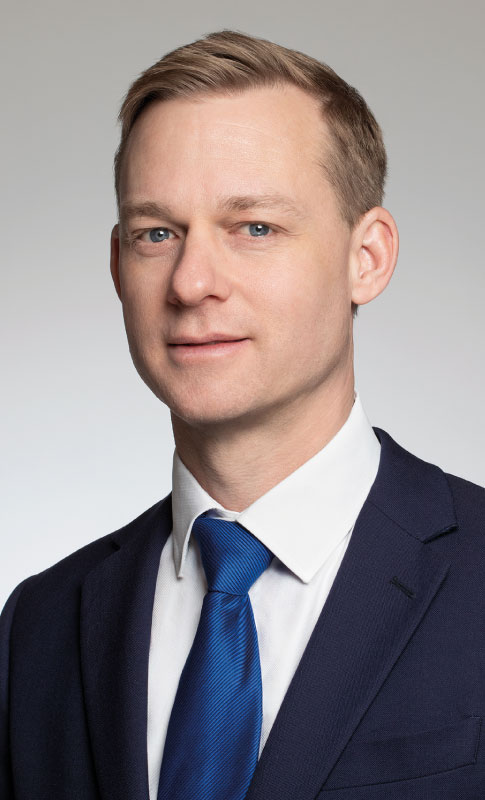
CEO since 2022
Born in Australia in 1982, Daniel Fitzgerald holds a degree in Chemical Engineering from the University of New South Wales, Sydney.
From 2005 to 2014 Daniel worked for one of the world’s largest oil and gas companies based in the UK, holding offshore and onshore operational and management roles. Between 2014 and 2017, he was the Group Operations Manager for Lundin Petroleum, subsequently joining International Petroleum Corp. as the Chief Operating Officer when it was spun-off from Lundin Petroleum (later Lundin Energy) in 2017.
Daniel was then appointed Chief Operating Officer for Lundin Energy in 2021 and following the combination of Lundin Energy’s E&P business with Aker BP, Daniel was appointed Chief Executive Officer effective as of 1 July 2022.
Holding of shares or financial instruments in Orrön Energy per 31 December 2025:
Shares: 550,000 / Options: 8,251,000
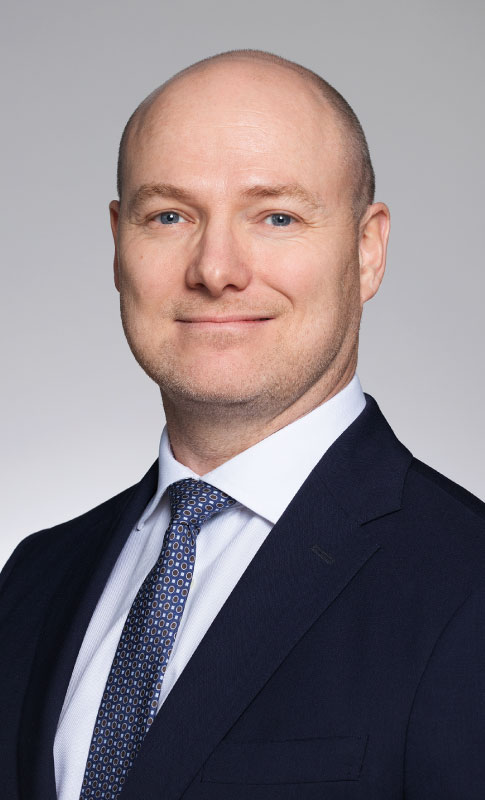
Chief Financial Officer
As CFO, Espen Hennie is responsible for Orrön Energy’s financial reporting, internal audit, risk management, tax and treasury function.
Espen was born in Norway in 1980 and holds a Master of Science in Financial Economics from the BI Norwegian Business School, Oslo.
From 2007 to 2013, he worked as an equity research analyst for one of the largest investment banks in the Nordics and from 2013 he held various positions within Lundin Energy’s finance department. At the time of the combination of Lundin Energy’s E&P business with Aker BP, Espen held the Corporate Finance and Planning Director position. Lundin Energy then changed its name to Orrön Energy and Espen was appointed Chief Financial Officer, effective as of 1 July 2022.
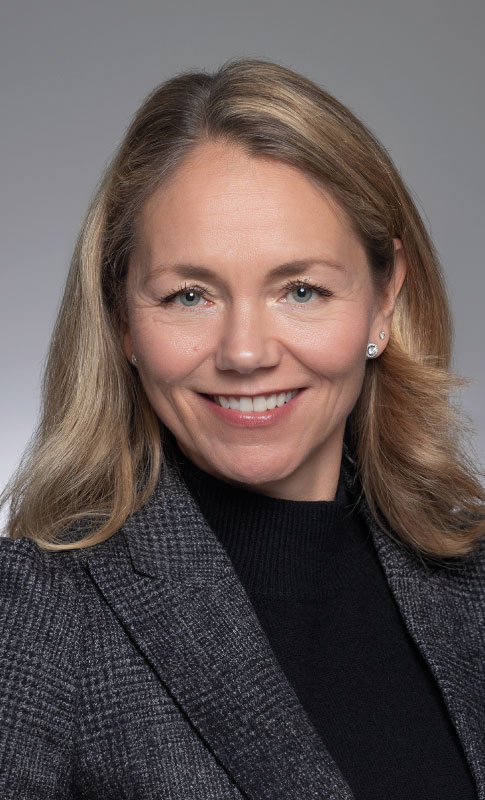
General Counsel
As General Counsel, Henrika Frykman is responsible for all legal and tax matters of Orrön Energy.
Henrika was born in Finland in 1977. She has a Master of Laws from the University of Stockholm.
Between 2000 and 2002, Henrika practiced general corporate and commercial law with a Swedish law firm in Stockholm. After moving to Geneva in 2002, she joined a large international law firm, focussing on Swiss and international corporate tax matters until 2008, when she joined Lundin Energy. In 2017 she was appointed Vice President Legal of Lundin Energy with responsibility for all legal and tax matters.
Following the combination of Lundin Energy’s E&P business with Aker BP, Lundin Energy changed its name to Orrön Energy and appointed Henrika General Counsel, effective as of 1 July 2022.
The Investment Committee assists the Board in discharging its responsibilities in overseeing the Company’s investment portfolio. The role of the Investment Committee is to determine that the Company has a clearly articulated investment policy, to develop, review and recommend to the Board investment strategies and guidelines in line with the Company’s overall policy, to review and approve investment transactions and to monitor compliance with investment strategies and guidelines. The responsibilities and duties include considering annual budgets, supplementary budget approvals, investment proposals, commitments, acquisition and disposal of assets and performing other investment related functions as the Board may designate.
Senior Management
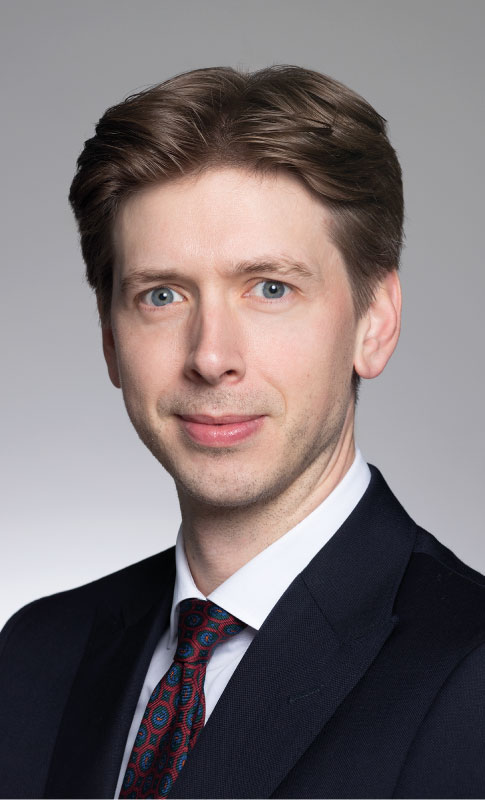
Legal and Commercial Director
As Legal and Commercial Director, Axel Wikner is responsible for managing Orrön Energy’s greenfield business in the UK, Germany and France.
Axel was born in Sweden in 1988 and holds dual degrees in Master of Laws and Bachelor of Science in Business Administration from Uppsala University, Sweden.
Axel has previous experience from a leading international law firm where he worked on leveraged financing and asset backed financing transactions, advising international banks and private equity firms. Axel joined Lundin Energy in 2017 and has worked on a range of legal and commercial matters, including external debt financing and various business development activities.
Following the combination of Lundin Energy’s E&P business with Aker BP in 2022, Lundin Energy changed its name to Orrön Energy, and in January 2024, Axel was appointed Legal and Commercial Director.
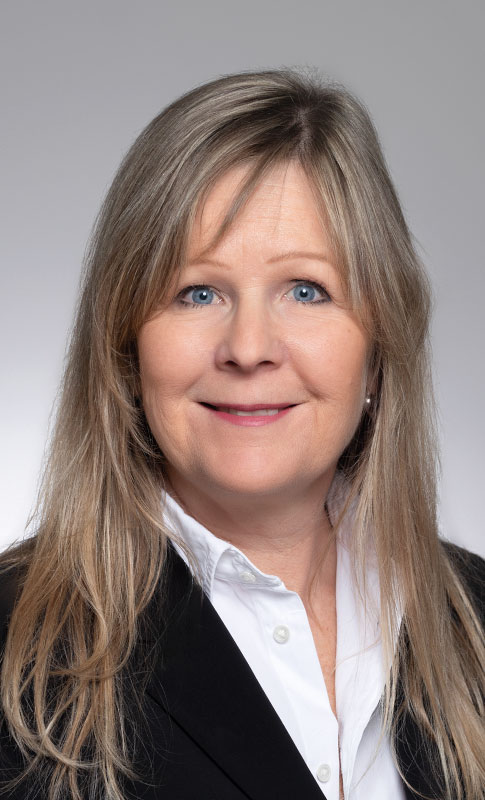
Finance Director
As Finance Director, Anna Andersson Plusa is responsible for Orrön Energy’s group reporting processes including external reporting under IFRS and the Group’s internal management reporting.
Born in Sweden in 1970, Anna holds a degree in finance and accounting from Gothenburg School of Business, Economics and Law in Sweden.
During the years 1996 to 2010 Anna worked for one of the Big 4 accounting firms and held various finance positions in other private businesses in Sweden, France and Switzerland.
Anna joined Lundin Energy in 2010 and has since then held various positions within Lundin Energy’s finance department. At the time of the combination of Lundin Energy’s E&P business with Aker BP, Anna was heading the Group’s internal audit function. Lundin Energy then changed its name to Orrön Energy and Anna was appointed Finance Director, effective as of 1 July 2022.
Group and senior management tasks and duties
The tasks of the CEO and the division of duties between the Board and the CEO are defined in the Rules of Procedure and the Board’s instructions to the CEO. In addition to the overall management of the Company, the CEO’s tasks include ensuring that the Board receives all relevant information regarding the Company’s operations, including profit trends, financial position and liquidity, as well as information regarding important events such as significant disputes, agreements and developments in important business relations. The CEO is also responsible for preparing the required information for Board decisions and for ensuring that the Company complies with applicable legislation, securities regulations and other rules such as the Corporate Governance Code. Furthermore, the CEO maintains regular contacts with the Company’s stakeholders, including shareholders, the financial markets, business partners and public authorities. To fulfil his duties, the CEO works closely with the Chairman of the Board to discuss the Company’s operations, financial status, upcoming Board meetings, implementation of decisions and other matters.
Under the leadership of the CEO, senior management is responsible for ensuring that the operations are conducted in compliance with the Code of Conduct, all Company policies, procedures and guidelines and the HSEQ Leadership Charter in a professional, efficient and responsible manner. Regular management meetings are held to discuss all commercial, technical, CR/HSEQ, financial, legal and other issues within the Company to ensure the established short- and long-term business objectives and goals will be met. A detailed weekly operations report is circulated to senior management summarising the operational events, highlights and issues of the week in question. Senior management also travels frequently to oversee the ongoing operations, seek new business opportunities and meet with various stakeholders, including business partners, suppliers and contractors, government representatives and financial institutions. In addition, senior management liaises continuously with the Board, and in particular the Board Committees, in respect of ongoing matters and issues that may arise, and meets with the Board at least once a year at the executive session held in connection with a Board meeting in one of the operational locations.